October marks the start of Breast Cancer Awareness Month. This month helps people understand what breast cancer is and how to prevent it.
Breast Cancer Awareness Month began in 1985 as a week-long campaign organized by the American Cancer Society. It was later extended to a full month and is now recognized every October.
In 1993, Evelyn Lauder adopted the symbol of Breast Cancer Awareness, a pink ribbon, when she founded the Breast Cancer Research Foundation. The pink ribbon represents hope, strength, and a fighting chance against the disease.
Breast cancer is a topic of concern for many. According to the Breast Cancer Research Foundation, in 2023, there were an estimated 316,950 new cases of breast cancer in the United States. In that same year, about 42,213 women died from breast cancer. About one in eight women in the U.S. will develop breast cancer at some point in their lives. The average age for a breast cancer diagnosis is around 62.
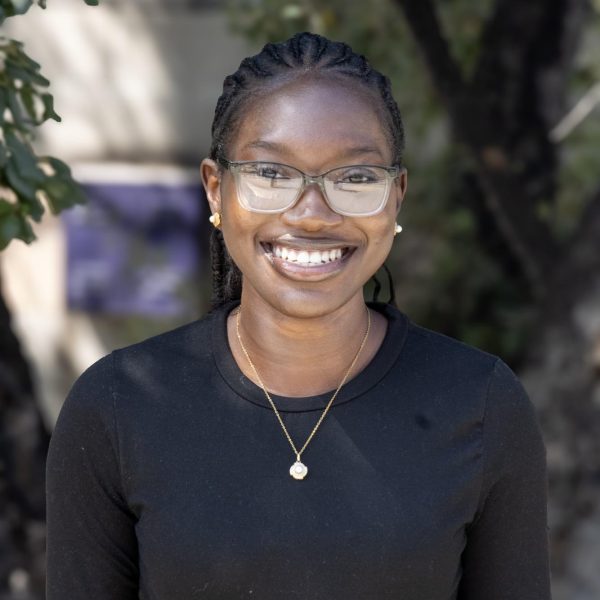
Ms. Maria Acuña, a paraeducator at Rancho Cucamonga High School is a breast cancer survivor. As a survivor, Acuña shared advice for other people.
“Early detection is key, advocate for yourself,” Acuña said. “My first monogram, they said it was normal then, I started to feel the lump, and the hospital had told me ‘oh, it’s nothing,’ so I’m just advocating it cause you know your body more than anybody else.”
Another way to raise awareness is by talking about it. As a survivor, Acuña advocates for breast cancer awareness.
“Talking to parents about it, making the parent aware of if they’ve checked themself and just talking about it in general,” Acuña said.
RCHS shows its support for Breast Cancer Awareness Month with several activities on campus, the biggest being the annual Pink Out football game. For the game, the student store sells pink out shirts to raise awareness, which students wear to the game.
Plum Caires, a freshman on JV dance, shared why advocating for Breast Cancer Awareness Month is important to her.
“My mom had breast cancer, so I’m a big advocate for it,” Caires said. “I think that it helps women have awareness about it, that they need to get tested, and it also appreciates those who have had it and those who may be going through it.”