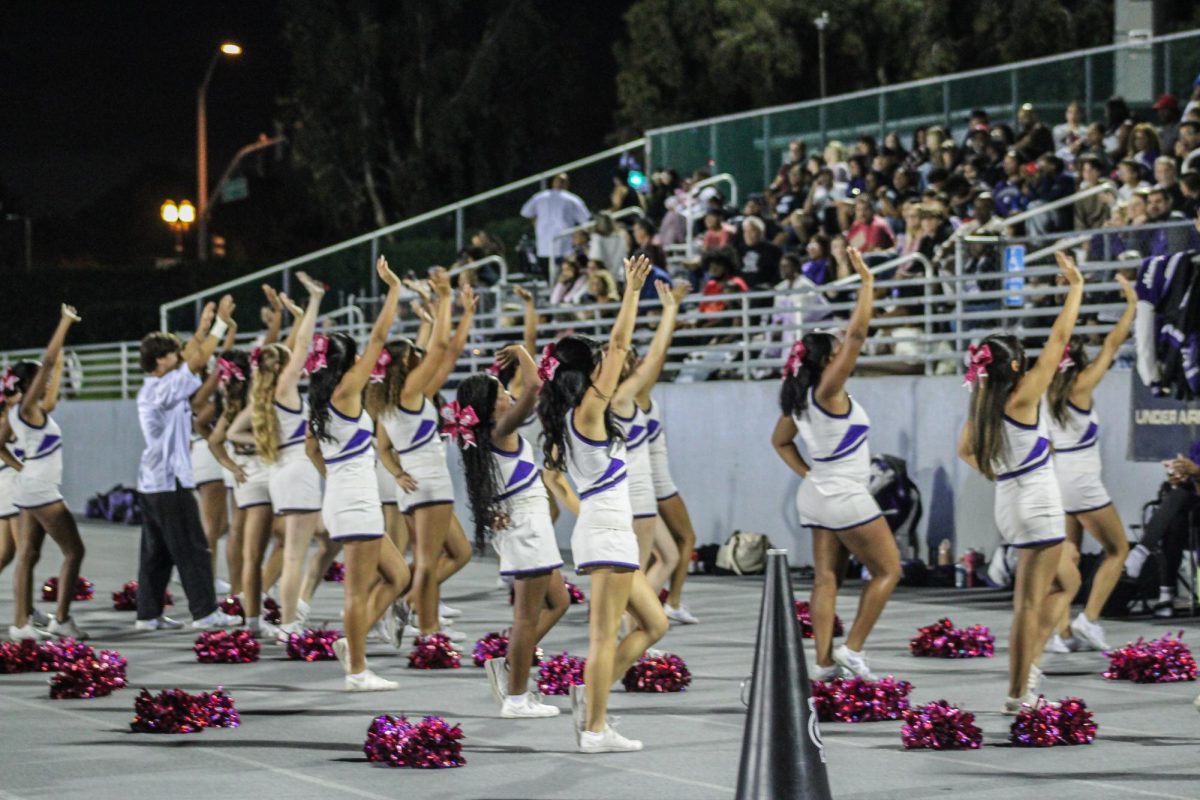
A defining feature of Rancho Cucamonga High School is the diversity of its student body in terms of race, ethnicity, language, background, and extracurricular involvement.
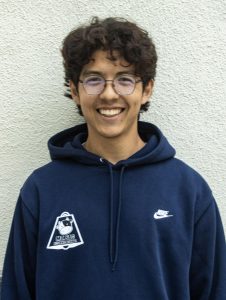
“Our campus is unique, our culture is very strong, and considering that we have over 3,000 students, it’s a large school, but within that large school, there are a lot of small different populations that can get along with everyone,” Principal Mr. Azande Aikens said.
According to RCHS’ School Plan for Student Achievement, using data from the 2023-2024 school year, there is no single majority ethnic group. In order of size, Hispanic students make up the largest group at 43.1%. Following that, white students make up 20.7%, African American students make up 13.4%, and Asian students make up for 12.1% of RCHS’ student body.
Rancho’s student body also has a significant number of students facing socioeconomic and educational disadvantages. That includes 40.2% student, including students with disabilities, English learners, homeless youth, and foster youth.
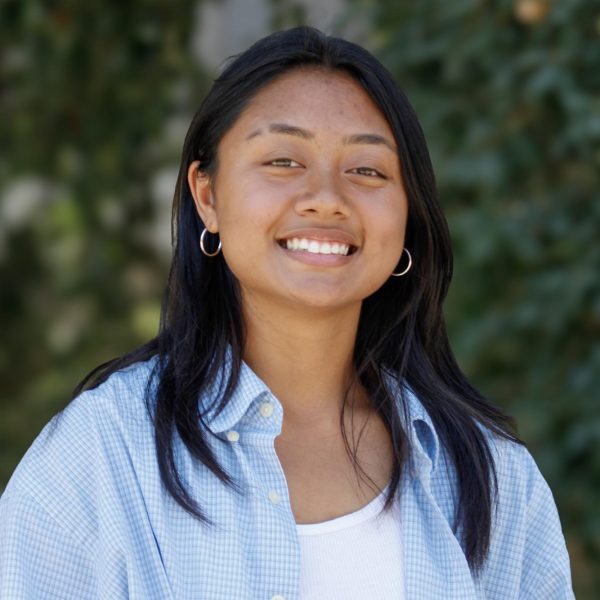
“In general, compared to other places I’ve been to, Rancho is pretty diverse overall, lots of different people, unique people. It’s actually quite nice,” senior Luka Chang said.
Ed-Data, a partnership of the California Department of Education, reports the school’s Ethnic Diversity Index (a reflection of the distribution of students in race/ethnicity categories). Rancho earned a score of 59 in the 2024-2025 school year. For reference, currently, the highest index for a school is 76.
More recently, in 2025, the California School Dashboard reported similar trends in ethnic populations and an increased student population of socioeconomically disadvantaged students. In 2025, Rancho’s socio-economically disadvantaged population rose to 57.8%.
Overall, the school serves a culturally, racially, and socio-economically diverse student body, so how is this diversity represented throughout campus?
Administration
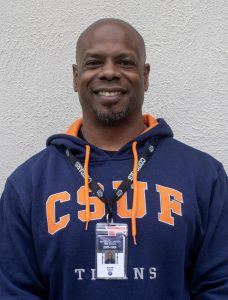
Given the school’s diverse demographic, the school administration aims to implement Targeted Intervention and Equity-Focused Planning. Much of this planning comes down to hearing student voices and paying attention to the student body.
Administration does this by communicating with the school’s student advisory panel for feedback and by conducting the LCAP (Local Control and Accountability Plan) survey that students take in their second period every year.
“I had a student advisory panel that was diverse not only in ethnicity but in involvement in the school, some students in leadership, some students in AVID, some students in different programs,” Aikens said.
Other than administration listening to students, the administration monitors student population trends for their decision-making.
“You always look at your student population, and whenever you can, you want to try to find a staff that kind of matches that or is similar in a sense,” Aikens said.
Classes
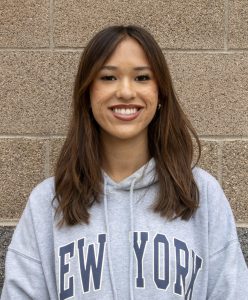
While the overall student population is diverse, there is a conversation about whether diversity is demonstrated across different level classes (college prep, honors, and Advanced Placement).
“[T]here definitely is a lack of diversity in honors and AP classes, I don’t think that says anything about specific people, I think that is just a consequence of things that are outside of our control, but I think it is something that still should be addressed,” junior Juliana Hall said.
Among students, there are differing opinions on whether classes are diverse, but a recurring pattern became apparent: Most upperclassmen interviewed mentioned disparity between their different levels of classes. Specifically, they noted there is more diversity in college prep classes compared to honors and Advanced Placement classes. In contrast, most underclassmen interviewed attested to seeing no distinction between classes in diversity.
“You can never know who’s going to be in your class sometimes, and it’s interesting getting to know a lot of new people,” Chang said.
When asked about the relationship between class diversity and level, Aikens explained that the school pushes all students to take higher-level classes based on the college and career indicator, one of which is making sure students take an AP class.
Another thing he highlighted is a shift in students not necessarily taking higher-level classes, but are taking dual enrollment classes. The implementation of the college and career indicator started two years ago.
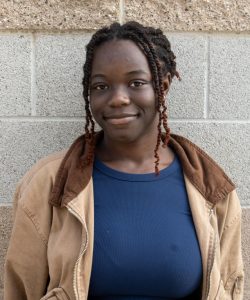
As of now, for incoming freshmen, to enroll in honors or Advanced Placement classes, the requirements are being previously identified as a G.A.T.E. student, having a 7th Grade CAASPP score of 4 (Standard Exceeded), or having an overall GPA of 3.5 or higher in 8th grade. This is the same as prior years when current upperclassmen applied for classes.
“I think a lot of kids are dissuaded from taking higher education classes because of specific factors. It’s a stigma like ‘Black kids don’t take higher education’ and ‘Asian kids are smart,’ and I think there’s so much potential that just isn’t harbored,” junior Darrah Ebinun said.
Although students across grades have recognized a difference in diversity in various levels of classes, administration continues to push for the diversity of the student body to reflect through any leveled class.
“We try to make sure that we have open access to higher-level classes, so one of our goals is to push as many students as possible, especially any student of color,” Aikens said. “We are looking at our LCAP goals to make sure they have access to it, making sure it represents our demographics as far as our school.”
According to Aikens, administration tries to ensure that classes on campus reflect RCHS’s student body.
Clubs/Student leadership
Outside of classroom hours, students themselves are pushing for greater representation of the student body’s diversity in their ways. This includes leading various clubs, representing different people on campus, and having knowledge of the diversity during decisions and event-making in student leadership.
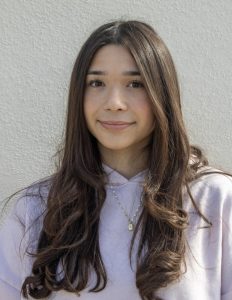
At the first semester’s club rush of the 2025-26 school year, 75+ clubs supported the various interests, beliefs, and cultures of the student population. Eight cultural clubs (Arab Club, Filipino Club, Chinese Culture Club, Chinese Folk Music Club, Black Girl Magic, BSU, Korean Culture Club, and Latin-American Club) and three religion-centered clubs (Sisters in Christ, Jesus Club, and Muslim Student Association) attended to present to students. Following the trend of representation, during the second semester’s club rush, even more cultural clubs and religion-centered clubs were introduced to students.
“One of the things I believe we are the strongest in is our cultural clubs. I wish I saw the diversity that I know exists here in every space,” Hall said.
Students agree that there are clubs on campus that include practically every student, no matter who they are.
“Our clubs at Rancho don’t really say only these people can come. If you see Korean clubs, they welcome everyone to come to learn about their culture,” sophomore Camilia Gutierrez said.
In years prior, both ASB and Student Achievement have had committees dedicated to Rancho’s diversity. These committees worked in tandem to create a school environment that encouraged the acknowledgment of its diversity. Currently, ASB has a committee called Campus Equity, which ensures the inclusivity of student diversity in school events like spirit weeks and recognitions throughout cultural heritage months. Student Achievement used to have an inclusivity committee; however, this year, the committee does not exist.
Overall representation
How the various parts of the school represent its student demographic is constantly changing, but still, there is no doubt that diversity is a part of Rancho’s identity: a diversity you can see by simply walking onto campus.
“You can see a little representation of everyone in a sense. Not only when I say diversity, [ethnicity], but diverse in general, of different extracurriculars,” Aikens said.